LED Neon vs. Glass Neon: Which Is Better?
Share
Last updated: August 2026
LED neon and traditional glass neon can both create a bright, eye-catching glow, but they use completely different technologies. One uses LEDs inside a flexible diffuser. The other uses electrified gas inside hand-bent glass tubes.
This guide compares the two across appearance, durability, safety, electricity use, installation, maintenance, customization and cost so you can choose the right option for your space.
LED neon vs. glass neon: the quick answer
LED neon is usually the better choice for homes, events, portable displays, branded signs and most modern custom projects. It is generally lighter, more impact-resistant, easier to dim and simpler to install. Traditional glass neon remains the preferred choice when authentic vintage character, exposed glass craftsmanship and the classic gas-neon look are the highest priorities.
Key takeaways
- LED neon uses low-voltage LED lighting after an external power supply; glass neon uses gas-filled glass tubing and a high-voltage transformer system.
- LED neon is generally lighter and less fragile, making it practical for shipping, events and home installation.
- Glass neon has a distinctive traditional appearance that LED alternatives imitate but do not reproduce perfectly.
- LED neon commonly offers easier dimming, color control and lower maintenance.
- The best choice depends on the intended environment, design, budget and visual style.
Table of contents
- What is LED neon?
- What is glass neon?
- Complete comparison table
- Appearance and light quality
- Durability and breakage risk
- Safety and operating voltage
- Energy use and heat
- Lifespan and reliability
- Maintenance and repair
- Design and customization
- Installation and weight
- Indoor and outdoor use
- Cost and long-term value
- Which one should you choose?
- Frequently asked questions
1. What is LED neon?
LED neon is a modern lighting system designed to recreate the look of traditional neon. It uses closely spaced LEDs inside a flexible silicone or PVC diffuser. The diffuser blends the individual LEDs into a smooth line of light.
The illuminated tubing is normally shaped and mounted onto an acrylic backboard. A compatible power supply converts household electricity into the low-voltage DC power required by the sign.
To understand the construction process in detail, read our guide to how LED neon signs are made.
2. What is traditional glass neon?
Traditional neon signs use glass tubes that are heated and bent into shape by a skilled glass bender. The tubes are filled with neon, argon or another gas mixture, then connected to electrodes and powered by a high-voltage transformer.
Different gases, phosphor coatings and colored glass can produce different colors. The result is the authentic glowing tube associated with vintage storefronts, diners, bars and classic commercial signage.
3. LED neon vs. glass neon comparison
| Category | LED neon | Glass neon |
|---|---|---|
| Light source | LEDs inside a flexible diffuser | Electrified gas inside glass tubing |
| Operating system | Low-voltage DC after a power supply | High-voltage transformer |
| Weight | Usually lighter | Usually heavier |
| Fragility | More impact-resistant | Glass can crack or shatter |
| Heat | Usually low at the illuminated surface | Tubes and transformer may become warm |
| Energy use | Generally lower | Generally higher |
| Dimming | Often simple with a compatible dimmer | Requires compatible transformer/control equipment |
| Color-changing options | Available with RGB systems | Usually fixed by gas, glass and phosphor choice |
| Shipping | Generally easier | Requires careful handling |
| Repair | Often modular | Usually requires a neon specialist |
| Visual style | Modern, clean and consistent | Authentic, handcrafted and vintage |
| Best for | Homes, events, brands, offices, gaming rooms and portable displays | Vintage installations, traditional storefronts and neon artwork |
4. Which looks better?
Appearance is the most subjective difference.
Glass neon appearance
Traditional glass neon has a unique depth and character. The glowing gas is visible through the tube, and hand-bent glass can create small variations that feel artistic and authentic. For vintage environments, that imperfection is often part of the appeal.
LED neon appearance
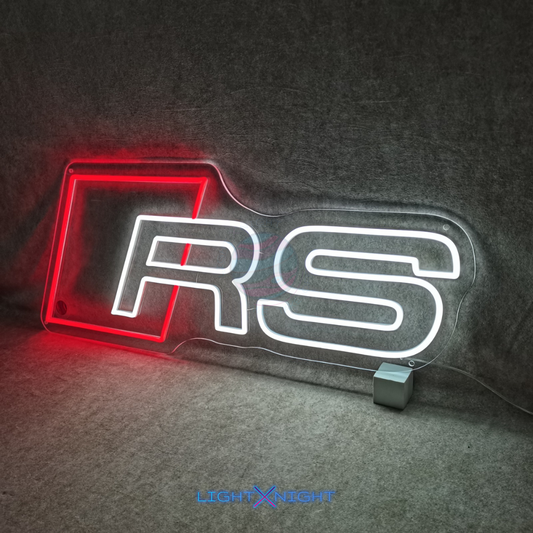
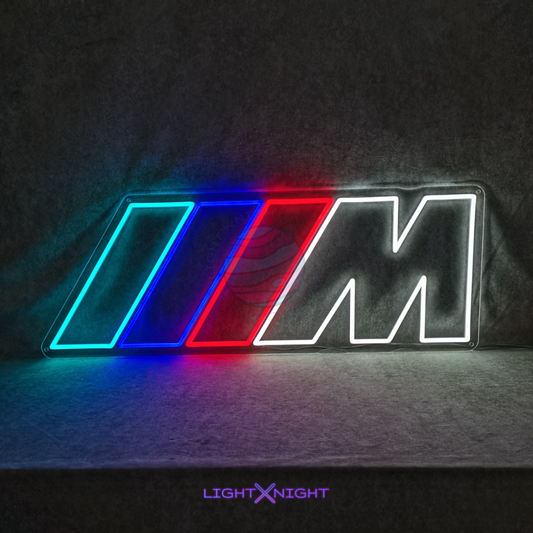
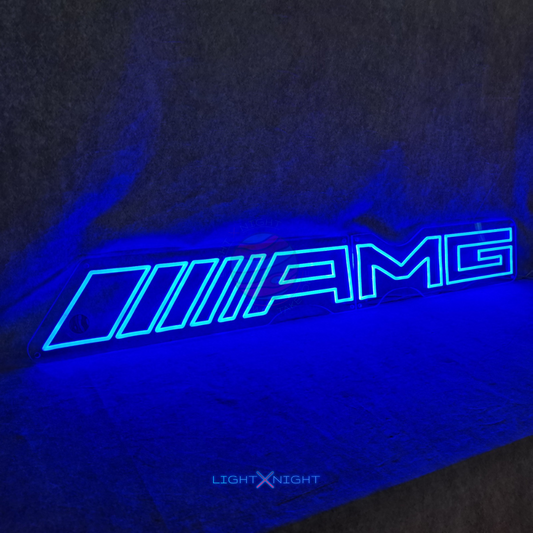
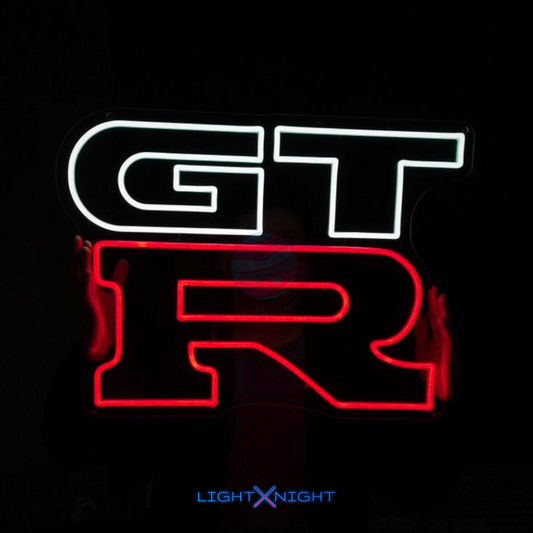
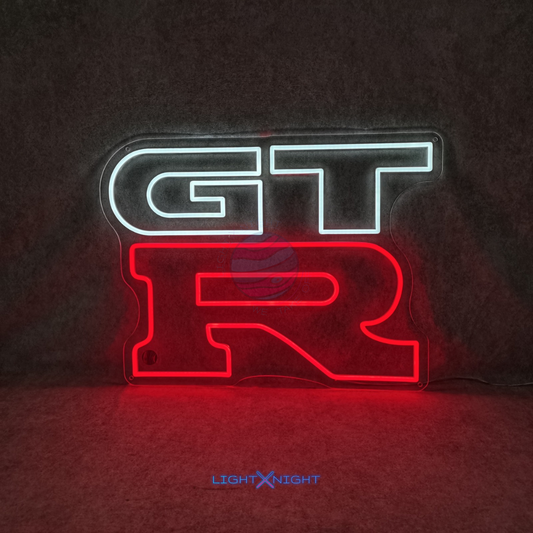
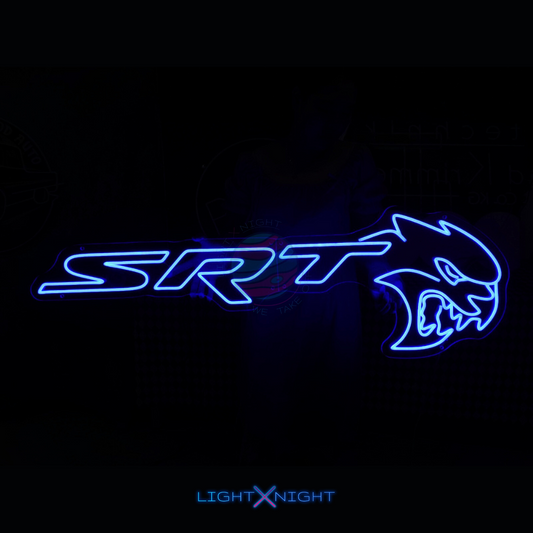
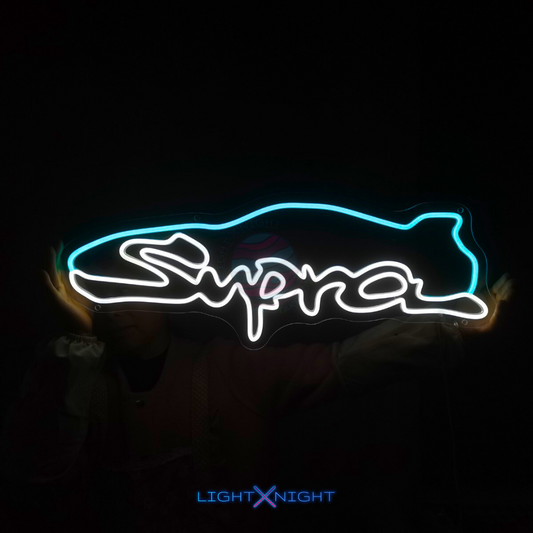
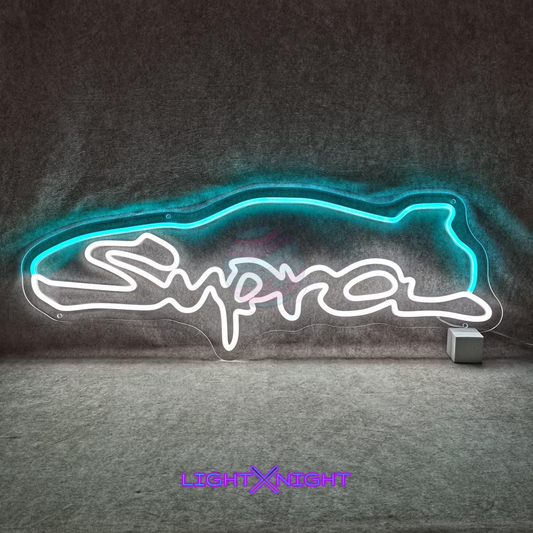
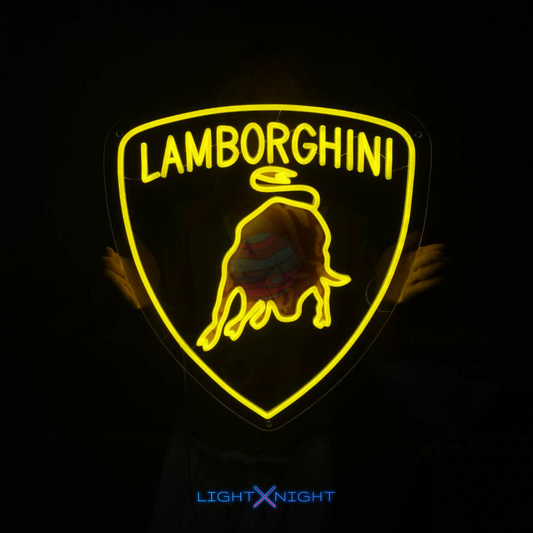
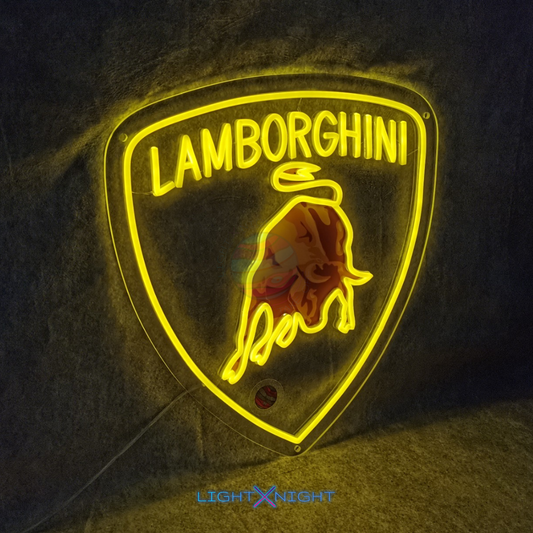
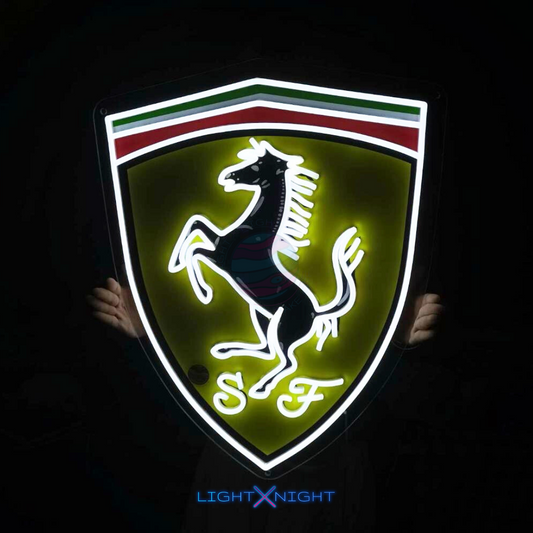
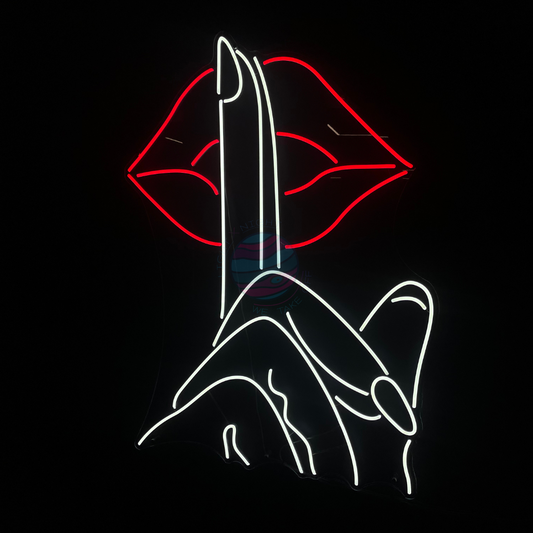
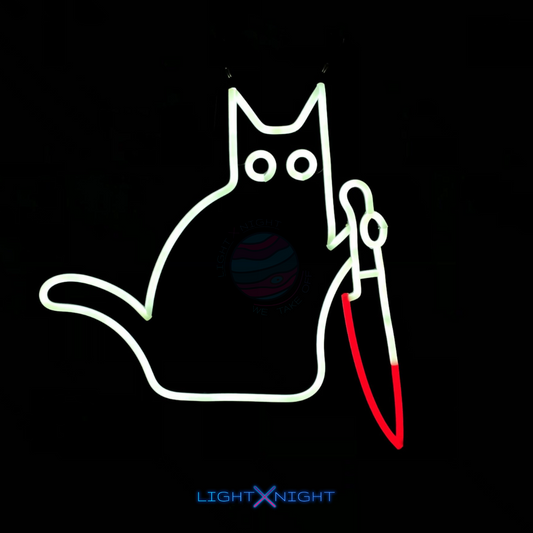
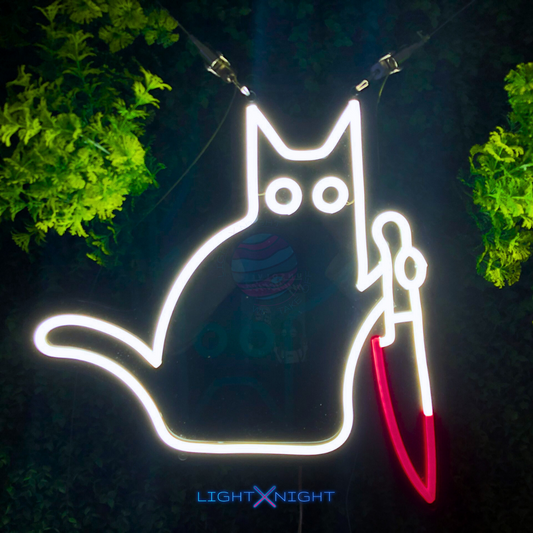
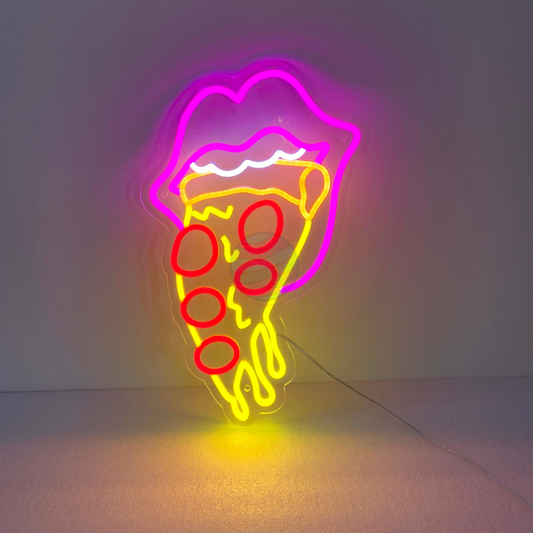
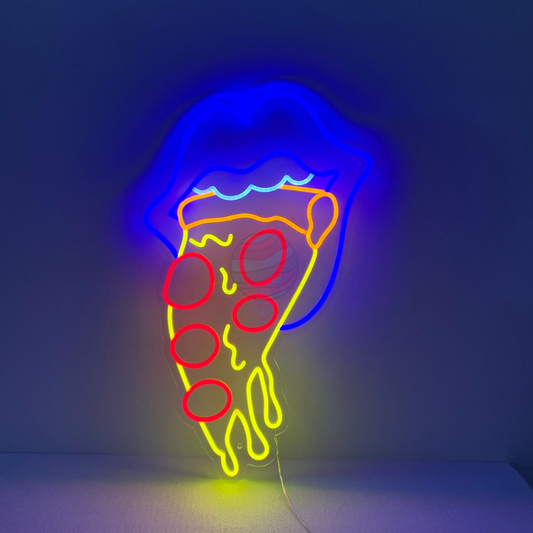
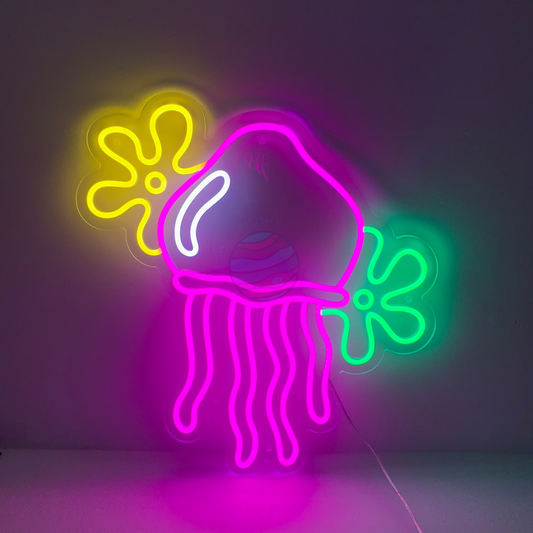
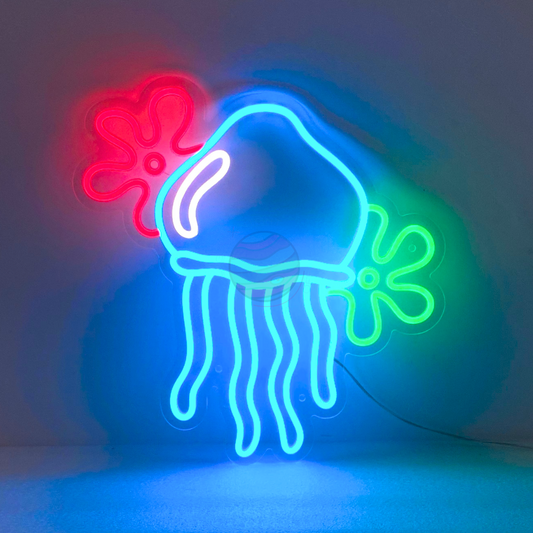
LED neon usually produces a cleaner, more uniform line. A quality diffuser hides individual LEDs and creates a smooth glow. It works especially well for logos, lettering, modern interiors and designs that need consistent brightness.
Glass neon may look more authentic from close range, while high-quality LED neon can look very similar from normal viewing distance.
5. Durability and breakage risk
LED neon is generally more durable because its illuminated tubing is flexible and does not rely on fragile glass. This makes it easier to transport, install and use at events.
Traditional neon tubes can break if they are hit, dropped or twisted. Even a small crack can cause a section to stop working. Repairs often require removing and reproducing the damaged glass section.
The acrylic backboard of an LED sign can still crack if it is bent, dropped or overtightened during installation, so “more durable” does not mean indestructible.
6. Safety and voltage
LED neon typically operates at low DC voltage after the power supply. Traditional glass neon generally uses a high-voltage transformer to energize the gas inside the tubes.
That difference makes LED neon easier to use in many residential and portable applications. It also removes the risk of broken gas-filled glass tubing.
Both systems should still be installed and operated correctly. Damaged wiring, incorrect power supplies, moisture exposure and poor ventilation can create risks in any electrical product.
7. Energy consumption and heat
LED neon generally uses less electricity than comparable glass neon. Actual consumption depends on the total illuminated length, brightness, color, power supply and design.
LED systems also tend to produce less heat at the illuminated surface. The power supply can become warm and should have space for ventilation.
Glass neon transformers and tubes may also produce heat. Large commercial installations should be designed with proper electrical planning and ventilation.
8. Lifespan and reliability
Both technologies can last for years when built properly, but they fail in different ways.
LED neon reliability
LED neon may gradually become dimmer over time. Common failure points include the power supply, controller, connector, solder joint or an individual illuminated section.
Glass neon reliability
Glass neon can remain operational for a long time, but gas leakage, electrode failure, transformer problems and broken tubing may require specialist repair.
A published LED chip rating or transformer rating is not the same as a guaranteed lifespan for the complete sign. Construction quality, environment and operating habits matter.
9. Maintenance and repair
LED neon usually requires only dust removal and occasional inspection. If a fault develops, the power supply, controller or one section may be replaceable.
Glass neon repairs are more specialized. A technician may need to remove the damaged tube, reproduce its shape, process the glass, refill it with gas and reinstall it.
For businesses that cannot tolerate long downtime, easier replacement and shipping can make LED neon more practical.
10. Design and customization
LED neon design flexibility
LED neon works well for words, logos, outlines and layered acrylic displays. It can be combined with printed backboards and is available in single-color and RGB versions.
Glass neon design flexibility
Glass neon is excellent for flowing curves, traditional scripts and exposed-tube artwork. The final design depends heavily on the glass bender’s skill.
Very small text and tight details can be difficult in both technologies. Designs often need to be simplified or enlarged to maintain clean spacing and readability.
11. Installation and weight
LED neon is commonly mounted on acrylic and can often be installed with wall standoffs, screws, chains or suspension cables. Its lower weight makes it suitable for temporary displays and events.
Glass neon frequently requires a stronger supporting frame, specialized mounting and careful transformer placement. Large installations may need professional electrical work.
No sign should be mounted with unsuitable anchors or attached to a wall surface that cannot support its weight.
12. Indoor and outdoor use
Neither LED neon nor glass neon should automatically be assumed to be outdoor-rated.
Outdoor LED neon requires sealed tubing, weather-resistant connections, suitable cable entries and a protected or rated power supply.
Outdoor glass neon requires weather-resistant electrodes, housings, transformer protection and professional installation.
Always evaluate the complete system, not only the illuminated tube.
13. Which one costs more?
Pricing varies by size, complexity, location and manufacturer. Traditional glass neon often has higher production, installation, shipping and repair costs because it requires skilled glass work and fragile handling.
LED neon is generally easier to produce repeatedly and ship internationally. It can also reduce installation and energy costs.
However, the cheapest LED sign may use poor LEDs, thin acrylic, weak wiring or an undersized power supply. Compare specifications, warranty and construction quality rather than price alone.
14. Which type of neon should you choose?
Choose LED neon when:
- You want a custom logo, name or modern design.
- The sign needs to be shipped or moved.
- You want simple brightness control.
- You prefer a lighter and more impact-resistant product.
- You need RGB or color-changing effects.
- The sign is for a bedroom, office, garage, event or gaming room.
Choose glass neon when:
- Authentic vintage neon is the main goal.
- You want exposed glass tubes as part of the artwork.
- You are working with a specialist neon artist.
- The installation is permanent and professionally supported.
- You accept higher fragility and more specialized maintenance.
For a complete overview of LED signs, see The Ultimate LED Neon Sign Guide.
15. Frequently asked questions
Is LED neon the same as real neon?
No. LED neon recreates the look of neon using LEDs and a diffuser. Traditional neon uses gas inside glass tubes.
Can LED neon look like glass neon?
High-quality LED neon can create a similar continuous glow, especially from normal viewing distance. Glass neon still has a distinctive tube depth and handcrafted appearance.
Which is brighter?
Brightness varies by design and product. Both can be highly visible. LED neon often offers easier brightness control.
Which one uses less electricity?
LED neon generally uses less electricity than comparable glass neon, although exact consumption depends on the sign.
Which is safer for a bedroom?
LED neon is usually preferred because it operates at low voltage after the power supply, produces relatively little heat and does not use fragile gas-filled glass tubing.
Which is better for a business logo?
LED neon is often more practical for logos because it is lighter, easy to reproduce and can be combined with printed acrylic details.
Which lasts longer?
Both can last for years. Complete-system quality and environment matter more than a single advertised lifespan number.
Can glass neon change colors?
Not in the same way as RGB LED neon. Glass neon color is mainly determined by the gas, phosphor and glass.
Can LED neon be repaired?
Often yes. Depending on construction, a power supply, controller, connector or illuminated section may be replaced.
Can glass neon be repaired?
Yes, but repair usually requires a neon specialist and may involve making a new glass section.
Which is easier to ship?
LED neon is generally easier and safer to ship because it is less fragile and usually lighter.
Which is better for outdoor use?
Either can be used outdoors only when the complete sign is specifically designed, rated and installed for that environment.
Which is better for events?
LED neon is generally the practical choice because it is lighter, easier to transport and easier to power and dim.
Does LED neon contain gas?
No. It uses LEDs inside a flexible diffuser.
Does LED neon contain mercury?
Typical LED neon does not rely on mercury-filled tubing. Confirm the specifications of the exact product and power components.
Why is traditional neon more expensive?
It often requires skilled glass bending, high-voltage components, careful shipping and specialist installation or repair.
Can I install glass neon myself?
Professional installation is generally recommended because of the fragile glass, transformer and high-voltage system.
Can I install LED neon myself?
Many LED signs are designed for straightforward mounting, but the correct hardware, wall anchors and supplied electrical instructions must be followed.
Which looks better in photos?
Both can photograph well. LED neon is often easier to dim, which helps prevent overexposure and preserve color in photos.
Is LED neon cheaper to maintain?
It is often cheaper and simpler to maintain because many faults involve replaceable low-voltage components.
Final verdict
LED neon is the strongest all-around choice for most modern custom signs. It combines low weight, durability, flexible design, efficient operation and convenient controls.
Traditional glass neon remains valuable when authenticity and handcrafted vintage character matter more than portability, simplicity and impact resistance.
The right choice is not only about which technology is newer. It is about the visual result, environment, installation requirements and long-term ownership experience.